
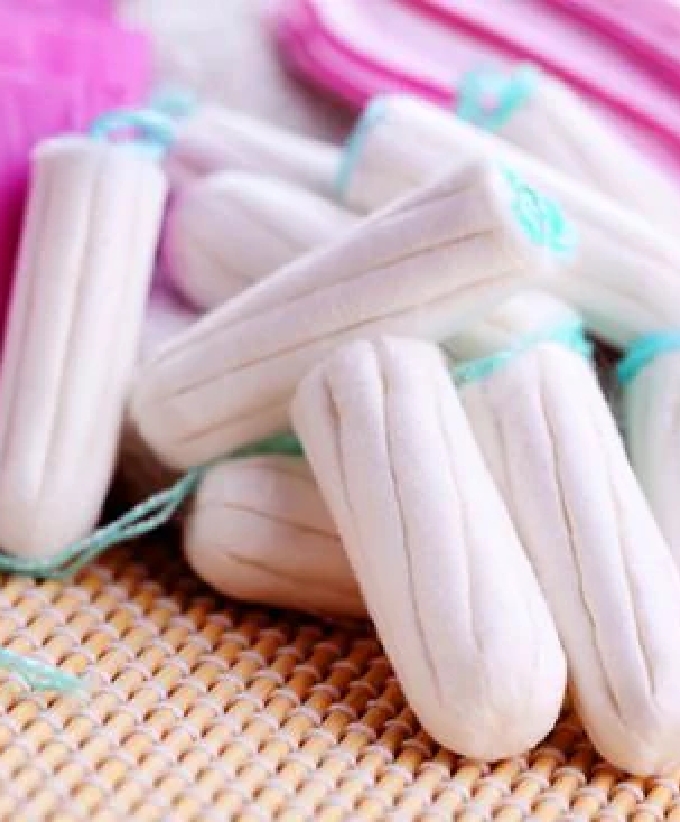
Have you ever wondered what menstruators did before period products were invented? There are many different historical accounts, including:
- “Tampons” made of lint wrapped around wood in Ancient Greece, and papyrus leaves in Ancient Egypt
- “Pads” made of moss and buffalo skin in Indigenous communities
- Woven fabric or flannel used as cloth pads in 18th and 19th century Europe
Well into the 1940s and 50s…
- Blood leakage on clothes was still common with sanitary napkins, as there was no reliable way to secure them in place.
- Many menstruators were still using rags as ‘pads’ with high risks of infection, and staying home from work or school on their periods.
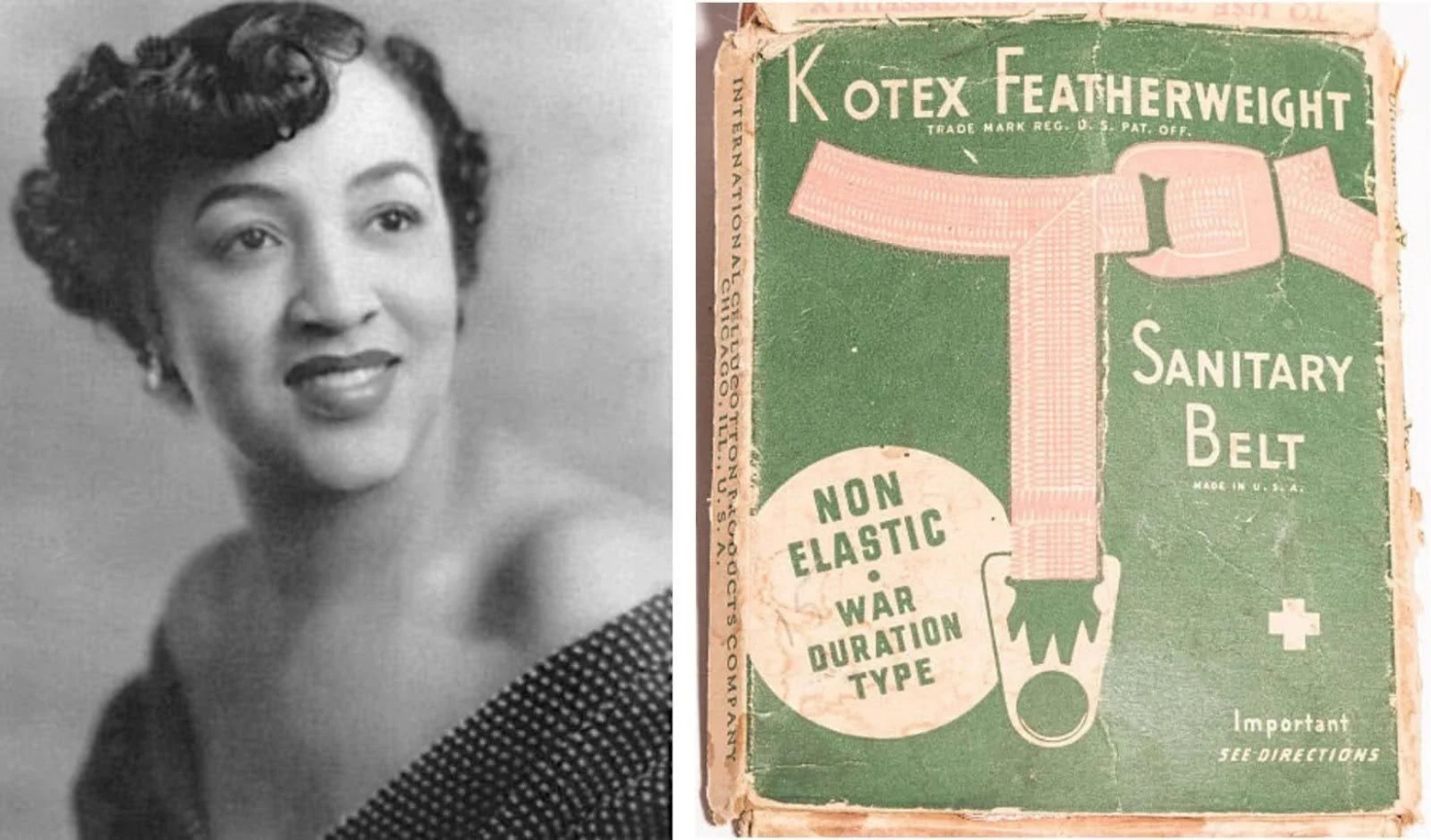
Mary Kenner was a Black female inventor who revolutionized period care. She invented the sanitary belt, an adjustable device with a built-in, moisture-proof pocket to keep sanitary napkins in place. This significantly reduced the risk of blood stains, giving menstruators the confidence to go about their days while on their periods.
Kenner patented the sanitary belt in 1957, a process which is said to have taken her about 30 years due to systemic racism, sexism, and financial constraints. After getting her patent, a company approached her with an interest in marketing her product, but changed their minds when they found out she was Black.
It wasn’t until the 1970s that tampons gained popularity and adhesive pads were invented. But until then, sanitary belts were the best option for managing a period safely, comfortably and affordably. Mary Kenner never became rich from her inventions and her legacy is largely under-recognized, yet the history of period products isn’t complete without her story.
It’s important to recognize that menstrual products were invented, distributed and popularized at a very slow pace because of period poverty and menstrual inequity. While these products existed for most of the 20th century, many menstruators were either too ashamed to buy them or could not afford them.
Even as these products became mainstream, the tendency to use blue, rather than red liquid in pad commercials and test product absorbency with water instead of blood are both indicators of persistent period stigma. Did you know that it wasn’t until 2023 that absorbency tests for period products were conducted using blood for the first time?!
We’ve come a long way, but we’ve still got further to go. One in six Canadian menstruators said they had personally experienced period poverty in a 2023 report. Plenty of stigma and misconceptions about periods persist to this day. That’s why The Period Purse’s work in outreach, education and advocacy are so important. By increasing product accessibility, promoting evidence-based period education and challenging the status quo, we can all collectively make periods a little more dignified for all menstruators — just like Mary Kenner did.